

Trading Futures

The Origins of Organized Futures Markets
The concept of trading futures began long before computers, electronic exchanges, or online brokerages existed. Historians often trace the roots of organized contracts to ancient Mesopotamia, where merchants used agreements to lock in prices for grain, livestock, and other goods before delivery.
These agreements solved a serious economic problem. Farmers faced uncertainty every growing season. A drought, flood, or poor harvest could destroy supply and dramatically raise prices. Buyers also faced risks because shortages could make essential commodities unaffordable.
Early merchants created forward agreements to stabilize business conditions. A farmer could promise to deliver grain months later at a fixed price. In return, the buyer guaranteed payment regardless of future market swings.
This arrangement improved confidence in commerce. Producers gained predictable income. Buyers secured inventory. Communities benefited from more stable food distribution and pricing.
The evolution of these agreements accelerated in Japan during the 1700s. Rice merchants in Osaka developed one of the world’s first organized commodity exchanges. Contracts became standardized, tradable, and enforceable.
Modern organized markets emerged in the United States during the 1800s. Chicago became the center of agricultural commerce because of its rail connections and access to Midwestern grain production.
The Chicago Board of Trade standardized contracts for corn, wheat, and other commodities. Standardization transformed markets because every participant understood quantity, quality, delivery dates, and settlement rules.
Why Futures Contracts Were Invented
The primary purpose of futures contracts was economic protection. Farmers, merchants, processors, and exporters all needed tools to reduce uncertainty.
Before organized contracts existed, pricing instability created severe financial damage. Farmers often harvested crops during periods of oversupply. Prices collapsed because everyone sold at once.
At the same time, food processors and wholesalers struggled with unpredictable costs. A poor harvest could sharply increase grain prices, hurting profitability.
Futures markets addressed these problems through price discovery and risk transfer.
Key economic benefits included:
- Stabilizing commodity pricing.
- Encouraging long-term commercial planning.
- Improving global trade efficiency.
- Reducing sudden supply-chain disruptions.
- Supporting agricultural investment.
For example, a wheat farmer expecting a harvest in six months could sell futures contracts immediately. If prices later dropped, the farmer’s futures position could offset losses in the cash market.
A flour manufacturer could buy contracts ahead of time to protect against rising wheat prices. Both sides reduced uncertainty and improved budgeting.
This innovation helped economies grow more efficiently. Businesses became more willing to invest, borrow, expand operations, and engage in international commerce.
How Early Futures Markets Differ From Modern Markets
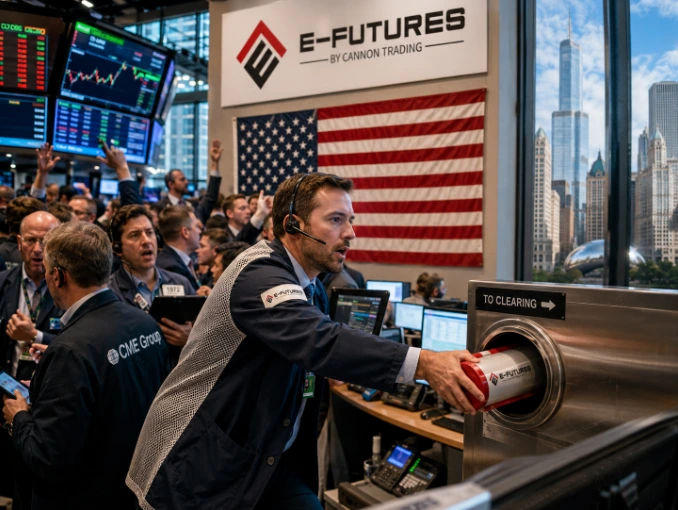
The earliest futures markets were slower, localized, and heavily dependent on physical delivery. Traders met face-to-face in exchange pits and used handwritten records.
Modern futures markets operate at extraordinary speed. Electronic platforms allow traders across the world to execute orders within milliseconds.
Several major differences separate historical futures markets from today’s environment.
- Technology transformed execution speed.
Early contracts could require days to negotiate and confirm. Today, advanced trading systems process orders instantly.
- Product diversity expanded dramatically.
Early markets focused primarily on agricultural goods. Modern exchanges now include stock indexes, currencies, metals, energy products, cryptocurrencies, and interest rates.
- Market participation widened globally.
Historically, farmers and merchants dominated activity. Today, hedge funds, institutions, retail traders, pension managers, and multinational corporations participate daily.
- Risk management tools improved.
Modern clearinghouses, margin systems, and regulations help reduce counterparty risk and strengthen market integrity.
- Access became democratized.
In earlier centuries, participation required physical presence at exchanges. Today, online platforms allow nearly anyone with internet access to participate in futures trading.
The CME Group now operates one of the largest derivatives marketplaces globally. According to CME educational resources, electronic trading has expanded liquidity and improved transparency for traders worldwide.
The Rise of Electronic Markets and Global Access
Electronic infrastructure reshaped financial markets during the late twentieth century. Open outcry trading floors gradually gave way to digital systems.
This transition created several advantages:
- Faster order execution.
- Lower transaction costs.
- Greater global accessibility.
- Improved transparency.
- Better market liquidity.
A trader in Europe can now access U.S. index futures almost instantly. An agricultural hedger in South America can monitor commodity prices in real time.
The growth of online brokerages accelerated participation among independent traders. Retail participants no longer needed institutional relationships or physical exchange memberships.
Educational resources also expanded dramatically. Traders now have access to charting tools, market analytics, webinars, economic calendars, and simulated trading platforms.
As technology advanced, trading futures became increasingly integrated into global finance. Institutional investors use futures for portfolio hedging, macroeconomic positioning, and risk management.
Airlines hedge fuel exposure. Manufacturers hedge raw material costs. Investment funds hedge equity exposure during uncertain economic conditions.
Modern markets remain rooted in the same original purpose: reducing uncertainty and transferring risk efficiently.
How Futures Brokers Help Clients Daily
Futures brokers play a critical role in supporting traders, hedgers, and institutions. Their responsibilities extend far beyond simply placing trades.
Professional brokers help clients navigate complex markets, understand risk, and access reliable technology.
Daily broker support often includes:
- Platform assistance.
- Margin guidance.
- Order execution support.
- Market education.
- Risk management assistance.
- Technical troubleshooting.
For example, a trader using multiple contracts may need help understanding overnight margin changes during volatile market conditions. A knowledgeable broker can explain requirements and help the client avoid unnecessary liquidation.
Many brokers also assist with platform customization. Traders frequently require advanced charting, automated order routing, or market depth analysis.
Educational support remains especially important for newer participants. Brokers may provide webinars, tutorials, platform demonstrations, and market commentary.
Risk management guidance is another major area of support.
Consider these common broker functions:
- Helping clients understand leverage.
- Explaining stop-loss strategies.
- Assisting with contract selection.
- Monitoring margin requirements.
- Supporting execution during volatile events.
During major economic announcements, market volatility can increase rapidly. Experienced brokers help clients understand how sudden price swings may affect positions.
Strong brokerage support can improve trader confidence, operational efficiency, and long-term discipline.
Why E-Futures.com Remains a Leading Brokerage
E-Futures.com has earned a strong reputation within the industry because of its longevity, technology access, customer support, and commitment to traders.
For decades, the brokerage has provided access to global futures markets while emphasizing responsive service and professional guidance.
One major advantage is platform flexibility. Traders can access multiple professional platforms designed for different strategies and experience levels.
These platforms support:
- Advanced charting.
- Real-time market data.
- Automated trading features.
- Mobile accessibility.
- Risk management tools.
E-Futures.com also benefits from its relationship with Cannon Trading Company, a well-established futures brokerage with decades of industry experience.
This experience matters because markets can become extremely volatile during geopolitical events, central bank announcements, or economic releases. Traders often require immediate support during fast-moving conditions.
Customer service remains one of the company’s strongest differentiators. Many online brokerages rely heavily on automated systems and limited human interaction.
E-Futures.com emphasizes direct communication and personalized support. Clients can speak with experienced professionals who understand market mechanics and platform operations.
The brokerage also supports traders globally by offering access to major futures exchanges and diverse product categories.
Available markets often include:
- Equity index futures.
- Agricultural contracts.
- Energy futures.
- Precious metals.
- Currency futures.
- Interest rate products.
This broad market access allows traders to diversify strategies and respond to changing economic conditions.
Educational support further strengthens the brokerage’s reputation. Traders benefit from platform training, educational articles, market insights, and product guidance.
Trust and reliability remain essential in derivatives markets. According to public Trustpilot feedback and brokerage information available through Cannon Trading Company resources, clients frequently highlight responsiveness and professional assistance.
The brokerage’s long-standing presence also reflects operational consistency. Financial markets evolve constantly, yet firms that maintain strong client relationships often survive multiple economic cycles.
As financial markets continue evolving, futures trading increasingly depends on reliable execution technology, responsive support, and professional risk management guidance.
E-Futures.com continues positioning itself as a trusted brokerage by combining modern trading technology with experienced customer support.
The Future of Global Futures Markets
Global derivatives markets will likely continue expanding as economies become increasingly interconnected.
Artificial intelligence, algorithmic systems, and advanced analytics are reshaping how traders evaluate market opportunities. Exchanges continue improving speed, transparency, and operational efficiency.
Environmental markets, carbon credits, and new financial instruments may also create additional opportunities in coming years.
Despite technological evolution, the core purpose of futures markets remains unchanged.
Trading futures still helps businesses and investors manage uncertainty, transfer risk, and improve financial planning.
From ancient grain agreements to modern electronic exchanges, futures contracts continue supporting global commerce by helping participants navigate unpredictable markets more effectively.
FAQ
What is the primary purpose of futures markets?
Futures markets primarily help participants manage price risk. Producers, manufacturers, investors, and institutions use contracts to reduce uncertainty related to future market prices.
How did futures contracts begin?
Futures contracts evolved from early agricultural agreements where farmers and merchants locked in prices before harvests. These agreements later became standardized through organized exchanges.
Why do traders use futures today?
Modern traders use futures for speculation, hedging, diversification, and portfolio management across commodities, indexes, currencies, and financial instruments.
How do futures brokers assist traders?
Brokers provide execution services, platform support, education, market access, risk management assistance, and customer service during active market conditions.
Why do many traders choose E-Futures.com?
Many traders value E-Futures.com because of its long industry history, professional customer support, platform flexibility, and broad access to global futures exchanges.
Disclaimer: Trading Futures, Options on Futures, and retail off-exchange foreign currency transactions involve substantial risk of loss and are not suitable for all investors. Past performance is not indicative of future results. Carefully consider if trading is suitable for you in light of your circumstances, knowledge, and financial resources. You may lose all or more of your initial investment. Opinions, market data, and recommendations are subject to change at any time.
Important: Trading commodity futures and options involves a substantial risk of loss. The recommendations contained in this article are opinions only and do not guarantee any profits. This article is for educational purposes. Past performances are not necessarily indicative of future results.
This article has been generated with the help of AI Technology and modified for accuracy and compliance.
Follow us on all socials: @cannontrading
Put This Into Practice
Open a live account or explore Plus500 with a free, unlimited demo.
